WISAF
Wisconsin Society of American Foresters

|
|
|
|
|
WISAF
|
Executive Committee |
|
Wheels to Woods
|
Chapter Events
|
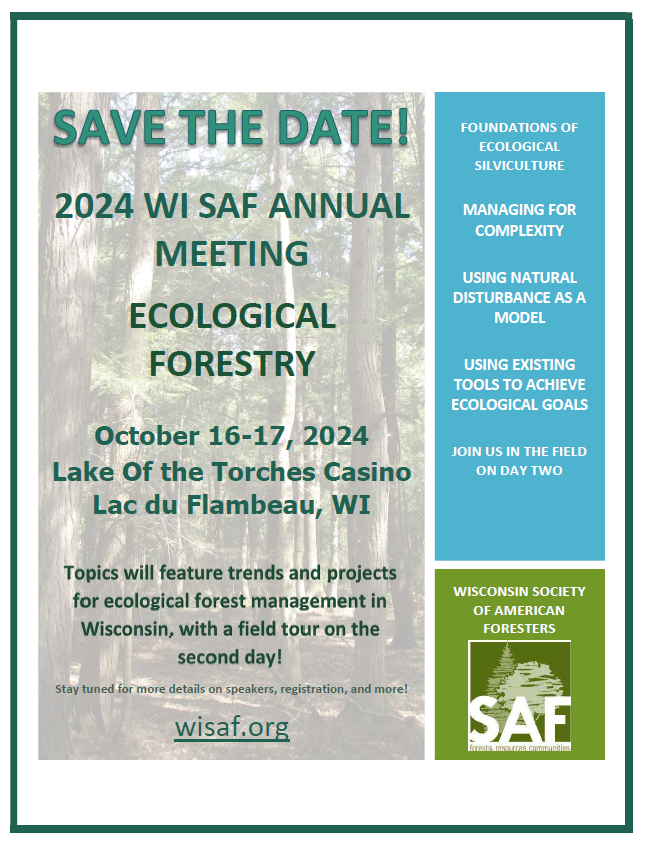
| Read the latest Wisconsin SAF member news and events. | Meet the current state chair and other committee members. | Join WI-SAF at our annual meeting! | K-12 teachers can apply for a grant, gather lesson materials, or find a forest. | Keep up to date on happenings with WISAF Chapters around Wisconsin. |
|
|
|
About WISAF
The Society of American Foresters (SAF) is the national, scientific and educational organization representing the forestry profession in the United States. Founded in 1900 by Gifford Pinchot, it is the largest professional society for foresters in the world. The mission of the Society of American Foresters is to advance the science, education, technology, and practice of forestry; to enhance the competency of its members; to establish professional excellence; and, to use the knowledge, skills, and conservation ethic of the profession to ensure the continued health and use of forest ecosystems and the present and future availability of forest resources to benefit society. Read More...
|
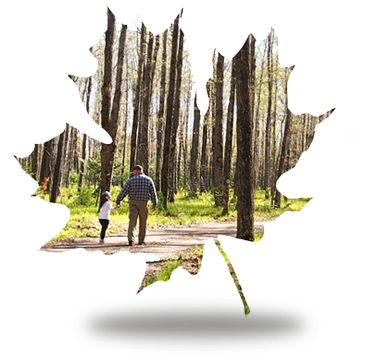
We challenge landowners, decision-makers and society at large to make choices about our forests based on professional knowledge, leading-edge thinking and a century of practical experience.
|
|
|
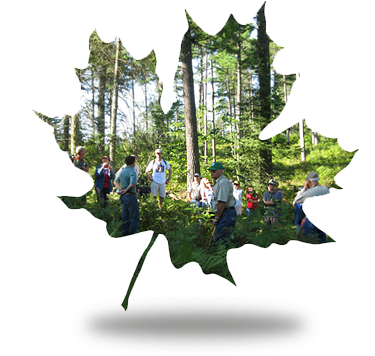
We seek viable pathways forward, balancing diverse demands on our natural resources. We set the standard in forest management, bringing science, best practice and the best people together to actively shape the future of the profession.
|
|
|
|
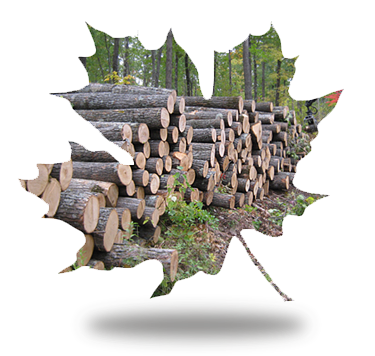
For the greatest good. We are the Society of American Foresters.
|
|

About This Website
This site is maintained for the 400 members of the Wisconsin Society of American Foresters (WISAF).
The purpose of the Website is to:

- Provide WISAF members with an easily accessible and timely source of information on local SAF events, state SAF training opportunities and forestry issues that impact our profession.
- Strengthen opportunities for WISAF members to communicate and discuss activities within the forestry profession.
- Highlight the role of professional foresters in Wisconsin and raise awareness of forestry in urban and rural communities across Wisconsin.
- Increase the visibility of WISAF as an advocate of sustainable forest management.
